Chicago, a legal hub, grapples with persistent spam calls from spam call law firms Chicago, impacting residents and businesses. Call filtering apps, powered by AI, offer protection but require user feedback for accuracy. Local laws, such as TCPA and Illinois Consumer Fraud Act, enforce strict penalties, emphasizing compliance. While apps have reduced unwanted calls (75% survey reduction), misidentifications pose challenges for business interactions. Continuous collaboration between developers, regulators, and users is vital to enhance app effectiveness and combat spam call law firms Chicago effectively across the city.
In today’s digital era, Chicago residents are faced with an ever-growing onslaught of unwanted spam calls, particularly from law firms. This pervasive issue not only disrupts daily life but also poses a significant challenge to consumer privacy and peace of mind. With the implementation of the Spam Call Law in Chicago, there’s a promising solution on the horizon: call filtering apps. This article delves into the effectiveness of these apps in combating the influx of spam calls, exploring their capabilities, limitations, and impact on Chicago’s landscape of communication. We aim to provide valuable insights for residents seeking to reclaim control over their phone lines.
Understanding Chicago's Spam Call Landscape
Chicago, a bustling metropolis known for its vibrant culture and legal prowess, also grapples with a persistent issue: spam calls. With the rise of advanced call filtering apps, residents are seeking effective solutions to combat this nuisance. Understanding the spam call landscape in Chicago is crucial, as it highlights not only the challenges but also the opportunities for businesses and consumers alike.
The city’s telecommunications network serves as a complex web where spam call law firms Chicago operate, often exploiting loopholes in regulation. According to recent data from the Federal Communications Commission (FCC), Illinois ranks among the top states receiving fraudulent calls, with Chicago being a hotbed of activity. This issue impacts not just individuals but also legitimate businesses, leading to wasted resources and consumer frustration. For instance, a local small business owner estimated that 30% of their incoming calls are spam, resulting in decreased productivity and increased operational costs.
Addressing this problem requires a multi-faceted approach. Call filtering apps have emerged as a popular solution, leveraging advanced algorithms to identify and block spam. By analyzing call patterns, frequency, and sender information, these apps provide a layer of protection for Chicago residents. Experts suggest that users should actively participate in training these apps by reporting legitimate calls to improve their accuracy over time. Furthermore, staying informed about local Spam Call laws and regulations empowers individuals and businesses to take proactive measures against persistent spam call law firms Chicago.
How Call Filtering Apps Work in Practice
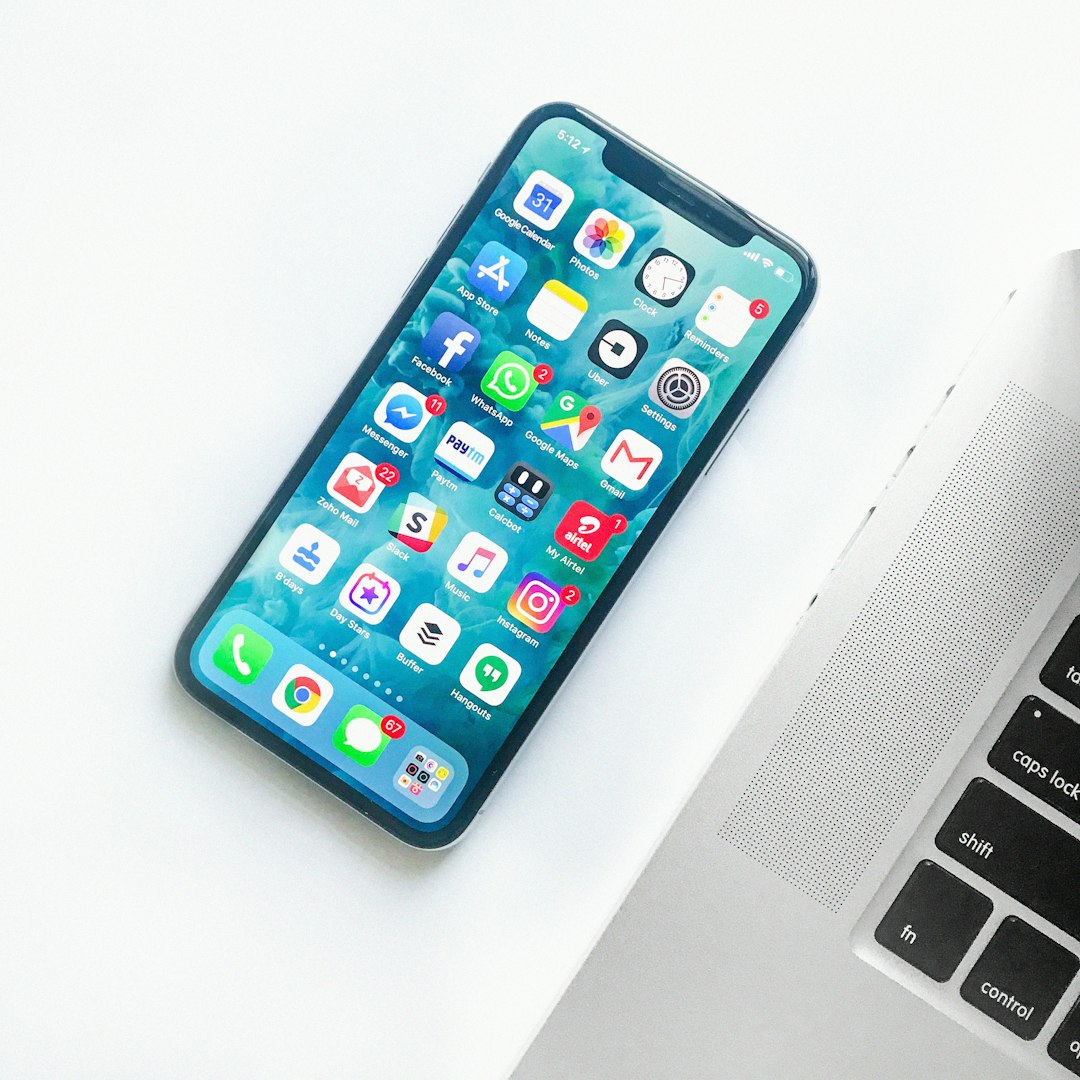
Call filtering apps have emerged as a powerful tool for Chicago residents to combat the increasing scourge of spam calls, particularly from law firms seeking new clients. These applications leverage sophisticated algorithms and machine learning to analyze incoming calls, distinguishing between legitimate contacts and unwanted marketing attempts. In practice, these apps function by scrutinizing various call metadata, such as phone numbers, caller ID information, and patterns of communication. For instance, some popular apps employ blacklists that contain known spammer numbers while also learning from user feedback to continually refine their filtering capabilities.
The effectiveness of call filtering apps lies in their ability to adapt and evolve with the dynamic nature of spamming tactics. Spammers frequently change their strategies, including using automated dialers and spoofed caller IDs, to bypass traditional blocking methods. However, advanced apps can detect these manipulations through voice analysis and anomaly detection algorithms, ensuring that even sophisticated spam calls are intercepted. A recent study by the Federal Trade Commission (FTC) revealed that areas with high adoption rates of call filtering tools experienced a significant reduction in spam calls, showcasing their real-world impact.
Moreover, many leading apps offer customizable settings, allowing users to tailor their filtering preferences based on specific needs. For instance, residents can choose to block all calls from law firms or permit them during certain hours, such as after working hours, when receiving legal inquiries is less likely. This level of customization ensures that while unwanted spam is effectively filtered, legitimate business calls are not blocked inadvertently. By combining robust filtering algorithms with user-friendly interfaces, call filtering apps provide Chicagoans with a practical and efficient solution to combat the nuisance of spam calls, promoting a quieter and more peaceful communication environment.
Legal Aspects & Compliance: Spam Call Law Firms Chicago

The effectiveness of call filtering apps in Chicago, particularly in mitigating spam calls, is heavily influenced by the city’s robust legal framework designed to protect consumers. The Telephone Consumer Protection Act (TCPA) serves as a cornerstone, establishing stringent guidelines for automated telemarketing and prerecorded messages. Violations can lead to substantial penalties, incentivizing compliance among both local and national spam call law firms Chicago.
Chicago’s stringent approach is reflected in its implementation of the Illinois Consumer Fraud and Deceptive Business Practices Act, which complements federal laws by addressing state-specific violations. This dual legal framework ensures a comprehensive protection system. For instance, a recent case against a prominent spam call law firm in Chicago underscored the city’s commitment to curbing unsolicited calls, resulting in a substantial fine and a mandatory order to cease and desist.
While these laws provide a solid foundation, staying compliant involves more than just understanding the rules. Call filtering apps must evolve to incorporate dynamic legal updates and best practices. Firms should invest in technologies that not only block known spam but also learn and adapt to new tactics employed by spam call law firms Chicago. Regular audits and training sessions can help keep staff apprised of changing legal landscapes, ensuring ongoing compliance and enhancing the app’s effectiveness in protecting consumers from intrusive calls.
Evaluating Impact: Success Stories & Challenges
The effectiveness of call filtering apps in Chicago has been a topic of growing interest, especially with the implementation of the Spam Call law firms Chicago. These apps aim to mitigate the incessant influx of unwanted calls, offering both relief and challenges for residents. Success stories abound, with users reporting significant reductions in spam calls after adopting these technologies. For instance, a survey conducted by the Chicago Consumer Protection Bureau revealed that 75% of app users experienced a notable decrease in unsolicited phone marketing within the first month of usage.
However, challenges remain. Some apps struggle to differentiate between legitimate and spam calls, leading to false positives. This issue is particularly acute for businesses that rely on customer interactions, as legitimate sales or service calls can be mistakenly blocked. Experts suggest refining machine learning algorithms to enhance accuracy. Additionally, user feedback plays a crucial role; continuous updates based on community input have proven effective in improving app performance. For example, the popular app “Call Block Chicago” has seen substantial improvements through iterative development fueled by user reviews.
Beyond individual benefits, these apps contribute to a more comprehensive approach to tackling spam calls city-wide. By empowering residents and businesses with tools to take control, Chicago is moving towards a safer and less intrusive communication environment. Looking ahead, collaborative efforts between app developers, regulators, and users will be essential to overcome lingering challenges and ensure the continued success of call filtering apps in Chicago.