
Chicago residents combat spam calls using Illinois' Anti-Spam Laws, advanced caller ID, Do Not Call lists, and AI-powered blocking apps. Recognizing suspicious patterns and reporting activities helps differentiate legitimate calls from scams. Customizable call blocking tools enhance privacy, allowing users to control communications and stop intrusive spam in the digital age.
In Illinois, where anti-spam laws are stringent, understanding the impact of Caller ID on call trustworthiness is paramount. This article explores the intricate relationship between these factors and their collective role in combating spam calls in Chicago. We delve into the evolution of spam calls in the city, offer tips on recognizing trustworthy callers, discuss tech solutions to block spam, and advocate for a culture of responsible calling—all vital steps in how to stop spam calls Chicago residents face daily.
Illinois' Anti-Spam Laws and Caller ID

In Illinois, the fight against spam calls is supported by stringent Anti-Spam Laws designed to protect residents from unwanted and deceptive phone communications. These laws empower consumers to take action against persistent spam callers. One effective tool in this regard is Caller ID, which provides vital information about incoming calls, allowing recipients to identify and block potential spam sources. By utilizing Caller ID, Chicago residents can gain a level of control over their communication experience, significantly reducing the volume of spam calls they receive.
Understanding these laws and leveraging tools like Caller ID is crucial in navigating the complex landscape of phone communications. For those looking to protect themselves from spam calls in Chicago, learning how to block numbers and report suspicious activities is a proactive step towards a quieter, more trustworthy communication environment.
The Evolution of Spam Calls in Chicago

Over the years, Chicago, like many other cities across Illinois and beyond, has witnessed a dramatic surge in spam calls. What started as occasional nuisance calls has evolved into a persistent issue, with scammers employing sophisticated techniques to target residents. These unwanted calls often masquerade as legitimate business offers or official communications, making it increasingly difficult for Chicagoans to distinguish genuine calls from fraudulent ones.
The rise of automated dialer technology has been a significant contributor to this trend. Spammers use these systems to make thousands of calls per day, employing aggressive tactics to lure victims. To combat this growing problem, Chicago residents are increasingly turning to various methods How to Stop Spam Calls Chicago. From registering on Do Not Call lists to utilizing advanced call blocking apps, individuals are taking proactive steps to regain control of their communication channels and protect themselves from these relentless spam calls.
Recognizing Trustworthy Callers
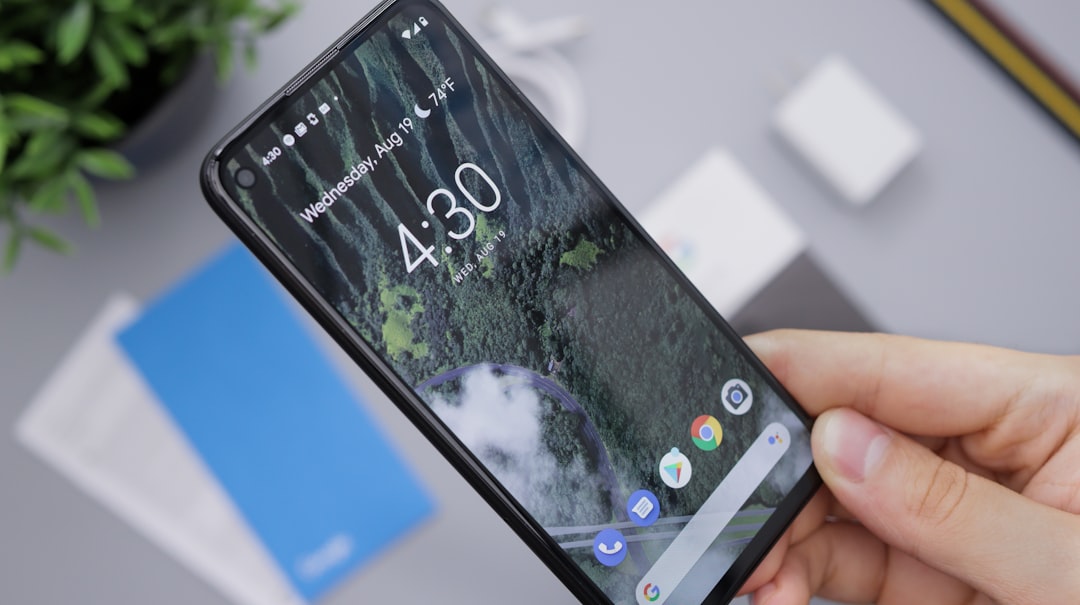
Recognizing trustworthy callers is an essential step in mitigating spam calls, especially in a bustling metropolis like Chicago. With advanced caller ID technologies, individuals can now identify and filter out unwanted or suspicious calls. When a call comes in from an unknown number, it's crucial to consider various factors before answering. Reputable sources often reveal patterns where certain areas or phone numbers are consistently linked to spam activities, helping users avoid potential scams.
Additionally, monitoring call details like the caller's location, time of day, and frequency of contact can provide valuable insights. By using tools that block or label spam calls, Chicago residents can enhance their communication experience and ensure they only engage with legitimate callers. How to stop spam calls Chicago is a query that many residents have, and these proactive measures are key to maintaining a sense of trustworthiness in an increasingly digital world.
Tech Solutions to Block Spam Calls

In today's digital era, spam calls have become a pervasive issue, but there are tech solutions to combat this problem in Chicago and beyond. Advanced call blocking applications leverage artificial intelligence (AI) and machine learning algorithms to identify and block unwanted incoming calls before they reach your phone. These tools analyze patterns, numbers, and behaviors associated with spam calls, enabling them to adapt and improve over time.
By integrating such technologies, Illinois residents can significantly enhance their privacy and peace of mind. Many reputable call blocking apps offer customizable settings, allowing users to create rules based on specific numbers or types of calls they wish to block. This proactive approach empowers individuals to reclaim control over their communication channels and ensure that only trusted contacts reach them.
Building a Culture of Responsible Calling