
To stop spam calls in Chicago (How to Stop Spam Calls Chicago), residents should:
– Register phone numbers on state & federal Do-Not-Call lists.
– Use reputable call-blocking apps tailored to local laws.
– Identify and report suspicious calls to official channels like FCC or local law enforcement.
– Stay informed about legal protections from agencies like FTC and Illinois' anti-robocall laws.
– Enroll in advanced anti-spam services for more targeted blocking.
– Join local forums or neighborhood watch groups to share strategies.
Robocalls have become a pervasive and frustrating issue for Chicago residents, with millions of unwanted calls flooding phone lines daily. These automated messages, often promoting political campaigns or selling products, are not only disruptive but can also be a serious security risk. Understanding how to stop spam calls Chicago is more than just a nuisance; it’s about reclaiming control over your communication and ensuring safety in an increasingly digital world. This step-by-step guide empowers you with the knowledge to combat these intrusions effectively.
Understanding Robocalls and Chicago's Regulations

Robocalls, automated phone calls from marketing firms or businesses using pre-recorded messages, have become a widespread nuisance across the United States, including Chicago. While some robocalls offer valuable information, many are considered unwanted and intrusive, leading to frustration among recipients. Understanding the nature of these calls and navigating Chicago’s regulations is the first step in combating this issue.
In Chicago, as in most places, robocalls are regulated by the Telephone Consumer Protection Act (TCPA). This federal law grants consumers the right to opt-out of receiving automated telemarketing calls on their mobile phones. However, despite these protections, Chicago residents often face an overwhelming number of robocalls due to the ease with which callers can bypass existing regulations. How to Stop Spam Calls Chicago effectively involves a combination of technological solutions and consumer awareness.
One practical approach is to utilize Do-Not-Call lists and services. Both state and federal databases allow individuals to register their phone numbers, blocking most automated calls. In addition, various smartphone apps offer advanced call-blocking features tailored to local regulations. By employing these tools, Chicagoans can significantly reduce the volume of robocalls they receive. Moreover, staying informed about the legal rights and responsibilities surrounding telemarketing practices is crucial for empowering individuals to take action against unwanted calls.
Identifying Spam Calls: Tips for Your Cell Phone

Identifying spam calls is a crucial step in protecting yourself from unwanted and potentially harmful robocalls on your Chicago cell phone. With millions of fraudulent calls flooding the market daily, it’s essential to be vigilant and armed with knowledge. Understanding how to spot these automated messages can empower you to take control and reduce the risk of becoming a victim.
One of the first tips is to stay alert for unusual call patterns. Many spam calls exhibit distinct characteristics, such as unknown or blocked numbers, repetitive dialed numbers, or short pauses between rings. For instance, if you notice a string of missed calls from an unfamiliar area code, it could be a red flag. Additionally, pay attention to the timing; robocalls often surge during peak hours or when you’re less likely to answer.
How to Stop Spam Calls Chicago? It starts with educating yourself and adopting simple strategies. Download reputable call-blocking apps that can analyze incoming calls and identify spam patterns based on number behavior and known fraud databases. These tools learn from community reporting, continuously updating their filters. Another effective method is to register your number on the National Do Not Call Registry, which limits telemarketing calls but may not block all robocalls. Combining these measures creates a robust defense against unwanted calls.
Reporting Robocalls: Step-by-Step Guide in Chicago

In Chicago, as across the nation, robocalls have become a pervasive and frustrating nuisance. While many tools exist to block these automated calls, effective reporting remains crucial in combating the issue at its source. Understanding how to report robocalls from your cell phone is an essential step in protecting yourself and your community from unwanted and often fraudulent calls.
The process begins by identifying the call as a robocall. Look for patterns—if you’re receiving repeated calls from an unknown number, especially if they occur at odd hours or are pre-recorded messages, it’s likely a robocall. Note the caller ID and any details about the message, such as the company or product being advertised. Once identified, Chicago residents can take action by reporting these calls through various official channels.
The Federal Communications Commission (FCC) provides an online tool for filing complaints about unwanted calls. Visit their website and submit a detailed report, including the caller’s phone number, your contact information, and notes about the call. This data helps the FCC track and investigate suspected fraudulent activities related to robocalls. Additionally, many state and local law enforcement agencies offer dedicated reporting systems for spam or scam calls, such as the Illinois Attorney General’s office, which encourages citizens to report suspicious activity for further investigation.
To stop spam calls Chicago residents can also register their phone numbers on the National Do Not Call Registry. While this doesn’t guarantee a complete end to robocalls, it significantly reduces their frequency. Combine these measures with consumer awareness and reporting, and you’re taking substantial steps to curb the influx of unwanted automated calls in your community.
Blocking Numbers: How to Prevent Future Spam Calls

In the battle against Robocalls, one of the most direct methods to reclaim control over your phone line is through number blocking. This powerful tool allows Chicago residents to silence unwanted calls from specific numbers, offering a much-needed respite from the deluge of spam and telemarketing attempts. By implementing these steps, you can effectively learn How to Stop Spam Calls Chicago and regain peace of mind.
Start by identifying the numbers responsible for the nuisance calls. Most modern smartphones come equipped with call blocking features. Access your phone’s settings, locate the “Call Blocking” or “Do Not Disturb” section, and create a custom list of blockees. Focus on numbers consistently displaying spam behavior, recognizing that not all blocked numbers will be unwanted immediately. As data from consumer protection agencies suggests, telemarketers often cycle through different numbers to bypass existing blocks, so dynamic blocking lists are essential for continuous protection.
For advanced users, consider utilizing third-party apps designed explicitly for call blocking and management. These tools offer sophisticated features like automated block list updates based on community-sourced data, allowing you to stay ahead of persistent spam calls. Regularly review your blocked numbers and unblock any legitimate contacts to avoid accidentally silencing important calls. Remember, while blocking is a crucial step in How to Stop Spam Calls Chicago, it’s not a foolproof solution. Persistent spammers can employ new tactics, but with proactive measures, you can significantly reduce their impact on your daily communications.
Additional Resources: Staying Protected in Chicago
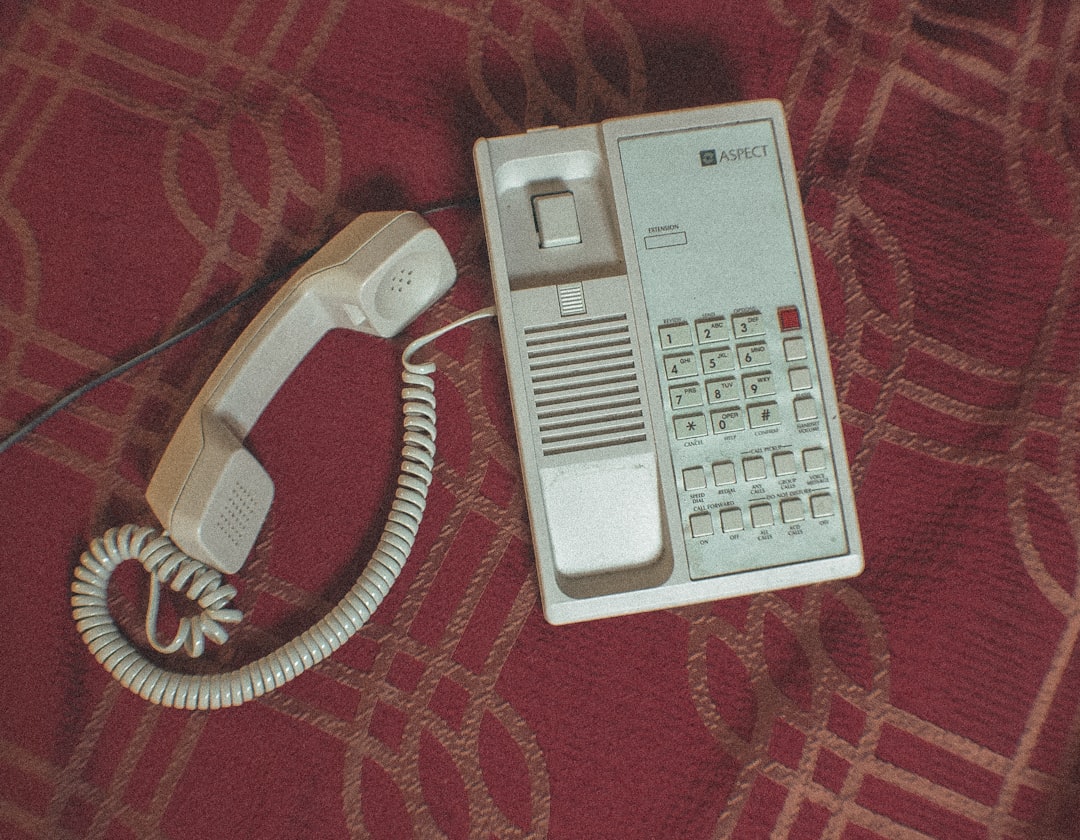
In Chicago, as across the nation, robocalls remain a persistent nuisance. While many anti-spam measures are available, understanding how to stop spam calls Chicago requires a multi-faceted approach. Beyond installing blocking apps or registering on national “Do Not Call” lists, Chicago residents can leverage several robust resources and strategies to protect themselves from unwanted calls.
One effective step is to stay informed about the latest legal protections and tools offered by state and federal agencies. The Federal Trade Commission (FTC), for instance, actively enforces regulations against telemarketers engaging in deceptive practices. Regularly check the FTC website for updates on known spam call origins, enabling you to report these numbers effectively. Additionally, familiarize yourself with Illinois’ specific anti-robocall laws, which provide citizens with powerful tools to combat nuisance calls.
For comprehensive protection, consider enrolling in a robust anti-spam service tailored to your mobile carrier. Many carriers now offer advanced filtering and blocking services that can significantly reduce the volume of robocalls received. Some even provide call history analytics, allowing you to identify patterns and block specific types of calls more effectively. Collaborating with your carrier and leveraging these resources is a strategic move in the battle against spam calls.
Lastly, community engagement plays a vital role in staying protected. Join local online forums or neighborhood watch groups where residents share experiences and strategies for dealing with robocalls. By pooling knowledge and resources, Chicagoans can collectively enhance their defenses against unwanted phone traffic. Staying informed, leveraging legal tools, and embracing technological solutions are key to reclaiming control over your communication channels.